
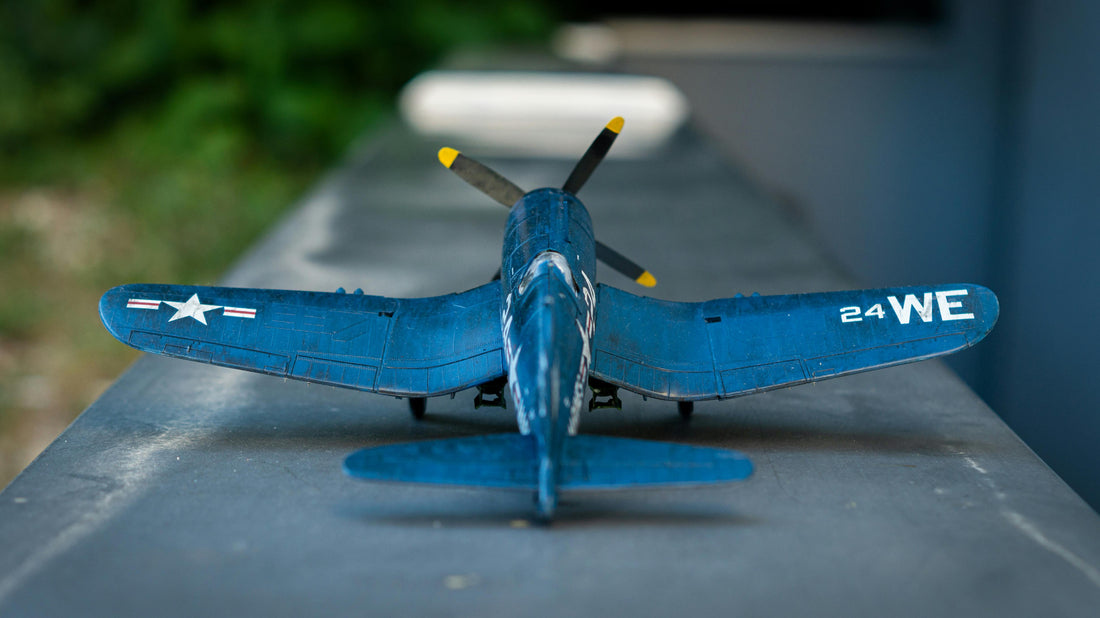
Essential tools for building a model airplane
Partager
When you're starting out in model aircraft, you're often more focused on choosing the model than on the tools needed to build it. However, getting properly equipped from the start makes all the difference. With the right tools, not only is assembly easier, but the final result is cleaner, more precise… and much more satisfying.
No need to break the bank or turn your desk into a professional workshop. You just need the essentials to get started on the right foot. Here are the indispensable basic tools for building your first (or next) model aircraft properly.
Why good tools change everything
Good tools, even simple ones, help you avoid classic beginner mistakes: broken parts when detaching them, overflowing glue, smudged paint… Conversely, when you work with the right equipment, you enjoy building more, you progress faster, and you gain precision. In short, you fully enjoy your model building experience, even from the very first model.
Cutting tools
First of all, you need to detach the parts from the sprue (the plastic frame that surrounds them). And for that, there's no need to use a kitchen knife or school scissors.
-
Fine side cutters: this is the number one tool. It allows you to cleanly cut parts without bending or damaging them. It's clean, precise, and fast.
-
A precision hobby knife: essential for removing small plastic remnants or adjusting parts before gluing. Opt for a model with a thin, sharp blade.
-
A file or fine sandpaper: perfect for smoothing edges, removing burrs, or preparing a surface before painting.
With these three tools, you can already assemble almost all models on the market cleanly.
Glues suitable for model making
You might think that a universal glue is enough… but that would be a mistake. Plastic models need specific glues that slightly melt the plastic for a strong and clean bond.
-
Liquid plastic cement: it's applied with a brush or a very fine needle, and penetrates the joints for an invisible bond. The Tamiya brand is often praised for its quality.
-
Gel or tube glue: a little thicker, it can be useful for larger parts or difficult adjustments, but requires more precision.
Tip: always glue with small touches. Too much glue, and you risk smudges or irreversible marks.
Painting equipment (even basic)
Even if you don't plan to paint your first models, you'll probably get to it one day. And for a more realistic finish, a few brushes and paints are enough.
-
Brushes of various sizes: a fine one for details, a medium one for large surfaces. No need to buy everything at the start.
-
Acrylic paint: it dries quickly, cleans with water, and has little odor. Ideal for beginners without fuss.
-
A small palette or plastic plate: for mixing your colors. You can also use a bottle cap or a lid.
-
Brush cleaner and a water container: essential for not ruining your equipment from the first use.
And if one day you want to go further, you can explore the world of airbrushes, primers, varnishes… But one thing at a time!
Useful but often forgotten accessories
These are the small tools that don't look like much, but make your life easier.
-
Fine tweezers or forceps: for handling tiny parts without dropping them or gluing them crookedly.
-
Cotton swabs, toothpicks, wooden sticks: perfect for applying or removing glue, pressing a part, mixing paint…
-
Masking tape: to protect certain areas during painting or temporarily fix a part without gluing it.
-
A desk lamp with white light: good lighting changes everything when you're working on small details.
Where to store and organize your equipment?
You don't need a professional workbench, but working on a clean and well-organized surface truly changes the experience. A simple compartmentalized box, a dedicated drawer, or a small plastic organizer is enough to start.
The ideal is to have your space ready to use so you don't waste time at each session. And don't forget: the tidier your space, the more you want to get back to it.
In summary
To get started in model aircraft, there's no need to invest in expensive or complex equipment. Side cutters, a hobby knife, some suitable glue, a few brushes, and good lighting are largely enough to start creating beautiful things.
You can then enrich your equipment as your projects progress, according to your desires and skill level. The main thing is to enjoy it, learn by doing… and gradually see your workshop build up along with your models.
FAQ: we answer all your questions
What tools do you need to start a model airplane?
You need side cutters, a precision hobby knife, special plastic glue, and a few brushes for finishing. These are the basics.
Can you build a model airplane without paint?
Yes, it's possible, especially with pre-colored kits. But a little paint adds realism and allows you to personalize your model.
Do you need an airbrush to paint a model?
Not necessarily. For beginners, a few brushes and acrylic paints are more than enough to achieve a good result.
Where to buy tools for model airplanes?
You can find them in model shops, on specialized websites like Oupsmodel, or even in large DIY stores for the basics.
Mistakes to avoid when starting model aircraft
How to get started in model aircraft building: the complete guide